Autumn brings cooler days, longer nights and changing conditions for wildlife across the UK. While we may notice the leaves changing colour and temperatures beginning to fall, there are also changes taking place among some of the pests living around our homes and businesses.
For certain pests, autumn is a time to find food and a protected place to spend the colder months. Buildings can provide both. Homes, offices, warehouses, sheds and other buildings offer shelter from cold and wet weather. They can also provide reliable sources of food and water. As a result, you may begin to notice signs of unwanted visitors as autumn progresses.
Understanding why this happens, and knowing what to look for, can help you deal with a pest problem before it becomes more serious.
Why Does Pest Activity Change During Autumn?
Falling temperatures are only part of the reason pests may appear indoors during autumn. Natural food sources can become harder to find as the season progresses. Crops are harvested, vegetation dies back and colder conditions change the availability of food outdoors. At the same time, buildings offer relatively stable temperatures and protection from bad weather.
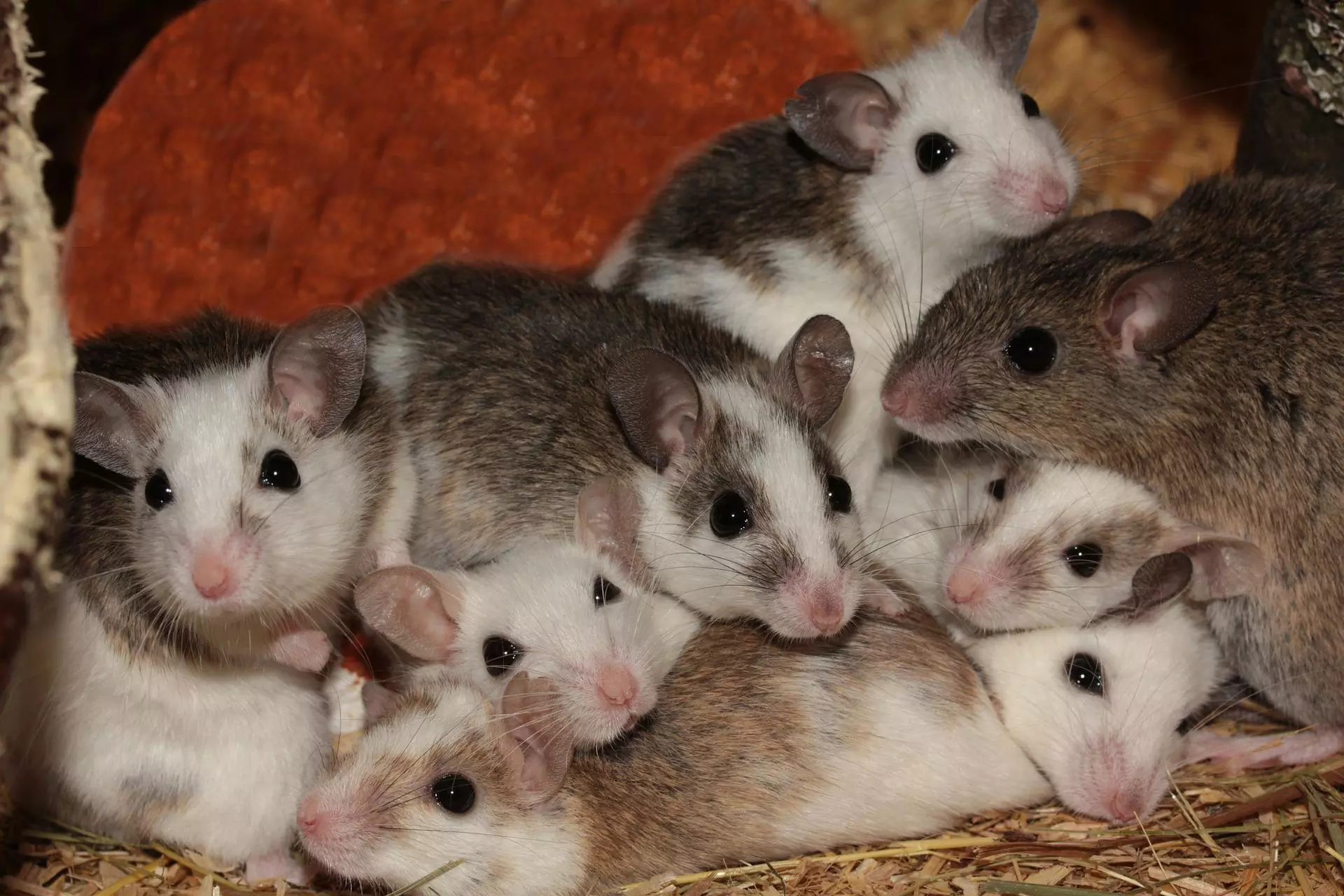
This is particularly important for rodents. Rats and mice do not hibernate, so they still need food and shelter throughout autumn and winter.
Other pests have different reasons for entering buildings. Cluster flies, for example, gather inside protected spaces where they can remain over winter. Some spiders also become much more noticeable during late summer and autumn, although this does not necessarily mean they have recently entered the property.
Which Pests Might You Notice Indoors During Autumn?
Several pests can become more noticeable in and around UK properties at this time of year. What you find will depend on the building, its surroundings and the conditions outside.
Mice
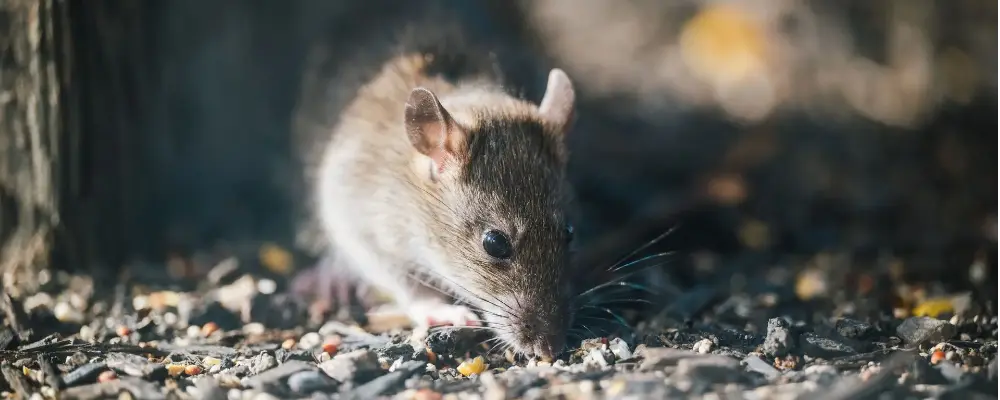
Mice can be a problem throughout the year, but colder conditions can encourage them to seek warm and sheltered nesting sites. Buildings provide plenty of possibilities, including wall spaces, lofts, areas beneath floors, storage spaces and outbuildings. Access can be gained through surprisingly small gaps around the structure of a property.
What should you look for?
Possible signs include small droppings, gnawed food packaging, damaged materials and scratching noises coming from walls, ceilings or beneath floors. You might also discover shredded paper, fabric or insulation being used as nesting material.
Finding these signs is a good reason to investigate further rather than waiting to see whether the problem disappears.
Rats
The brown rat is widespread across the UK and, like mice, can cause problems throughout the year. As autumn progresses and natural food becomes less readily available, rats may move closer to buildings in search of food and shelter. Properties can become particularly attractive when food waste, bins, animal feed or other food sources are easy to reach.
What should you look for?
Rat droppings, gnaw marks and damaged food packaging can indicate activity. You may hear scratching or movement, particularly when the building is quiet. Rats can also leave greasy marks along regularly used routes where their bodies repeatedly brush against surfaces.
Because rats can damage materials and contaminate areas they visit, signs of activity should be taken seriously.
Cluster Flies
Cluster flies provide a very different example of autumn pest behaviour.
During autumn, these flies can gather in large numbers inside buildings to spend the winter in a protected environment. Roof spaces, upper rooms and areas around windows can all provide suitable locations.
What should you look for?
You may notice groups of slow-moving flies around windows or in upper parts of the property. In some buildings, large numbers can gather inside loft spaces.
Their appearance does not necessarily mean that poor hygiene has attracted them. Cluster flies enter buildings because they are looking for somewhere protected to spend the colder months.
House Spiders
Large house spiders are a familiar sight in UK homes during late summer and autumn. However, there is an important difference between spiders and pests such as rats or cluster flies. A spider running across the floor in September has not necessarily just entered the house because it is cold.
Male house spiders become much more active around this time as they search for females. This increased movement makes them easier to spot, particularly when they become trapped in baths or sinks.
What should you look for?
House spiders may appear in dark corners, garages, sheds and other quiet areas. You may also notice webs in places that are rarely disturbed.
While their sudden appearance can be unwelcome, seeing more spiders during autumn can simply be the result of their natural breeding cycle.
Check out our pest identification guide for more information about pests.
How Are Pests Getting Inside?
Buildings contain more possible entry points than many people realise.
Small gaps around pipes, doors, windows and other openings can provide access. Damaged parts of the building may create further opportunities. Roof spaces, air vents and gaps around external fittings should also be considered.
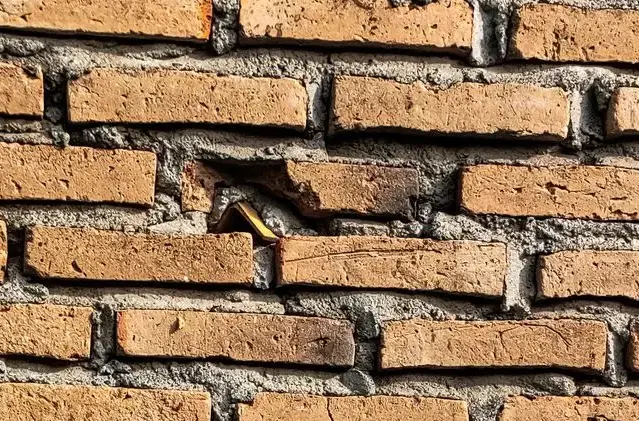
Outside the property, overgrown vegetation and stored materials can provide sheltered areas close to the building. Food waste, poorly managed bins and accessible animal food can also make an area more attractive to rodents.
The aim should be to make the property less accessible and less attractive before pests have the opportunity to settle.
How Can You Reduce the Risk of Autumn Pests?
Seal gaps and possible entry points
Check the outside of your property for gaps, cracks and damaged areas that could provide access. Pay particular attention to doors, windows, pipes, vents and other openings. Repairing damage and sealing suitable gaps can make it more difficult for rodents and other pests to enter.
Remove easy sources of food
Keep food in sealed containers and avoid leaving food or crumbs accessible. Pet food should also be stored securely when it is not being used. Make sure household and outdoor bins have well-fitting lids, and keep areas where waste is stored as clean as possible.
Reduce shelter around the property
Overgrown vegetation, clutter and stored materials can provide sheltered areas close to a building. Keep outdoor areas tidy, cut back vegetation where appropriate and avoid allowing unused materials to build up against external walls. This can also make signs of pest activity easier to notice.
Check quiet/low-traffic areas regularly
Lofts, garages, sheds, cupboards and storage areas can remain undisturbed for long periods, giving pest activity time to develop unnoticed. Check these spaces occasionally for droppings, gnaw marks, damaged materials or unusual smells. Pay attention to repeated scratching or movement inside walls and ceilings too.
If you notice signs that continue or become more frequent, it may be time to have the problem investigated by Red Tail Pest Control.
For a more in-depth look into how pests affects businesses, here are some signs we recommend you watch out for.
Prepare Your Property for the Colder Months
Autumn pest activity is not simply a case of every pest trying to escape the cold. Different species behave differently at this time of year.
Rats and mice may look for reliable food and shelter as outdoor conditions change. Cluster flies actively seek protected places in which to spend the winter. House spiders become more visible because autumn is an important part of their breeding cycle.
Knowing these differences makes it easier to recognise when something unusual is happening.
When Should You Call a Pest Control Professional?
Finding one insect or spider indoors does not always mean you have an infestation. However, repeated sightings or clear signs of rodents should be investigated.
Professional pest control is particularly useful when you are unsure which pest is present, cannot identify where it is entering or have a problem that keeps returning.
Red Tail Pest Control can inspect the property, identify the pest and assess the extent of the problem. Where treatment is needed, the right approach can then be chosen for the pest and the property.
An inspection can also help identify possible entry points and conditions that may be contributing to the problem. Addressing these factors can be an important part of reducing the chance of pests returning.
If you are finding signs of unwanted pests in your home or business this autumn, Red Tail Pest Control can identify the cause of the problem and recommend an appropriate way to deal with it.